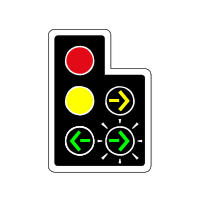
Traffic Signals
(South Africa) Traffic Lights
S9T
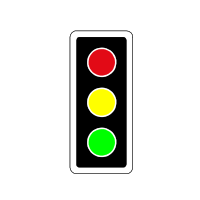
Where traffic density can be better controlled by traffic lights at intersections, junctions, pedestrian crossings, etc.
To regulate traffic coming from different directions.
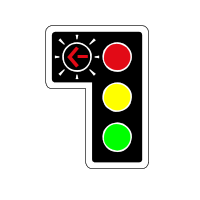
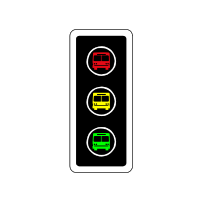
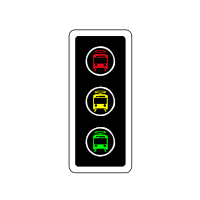
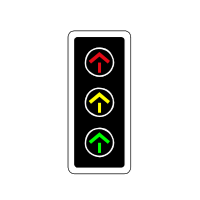
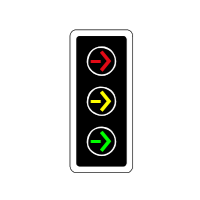
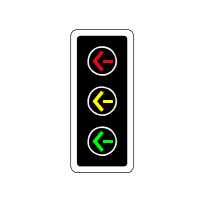
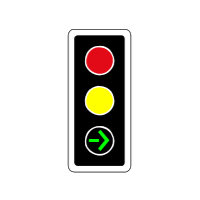
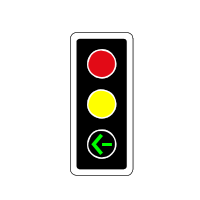
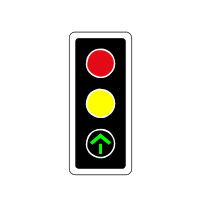
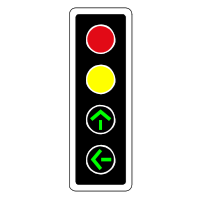
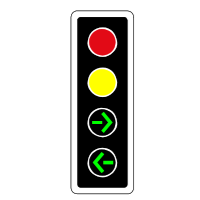
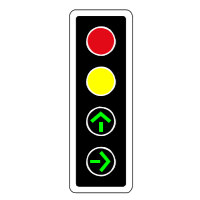
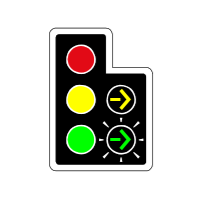
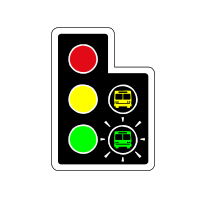
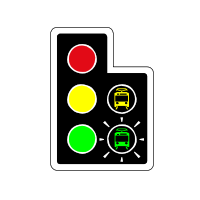
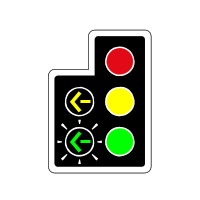
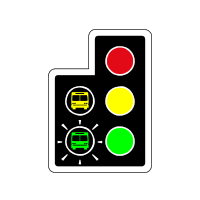
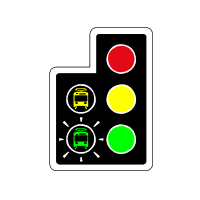
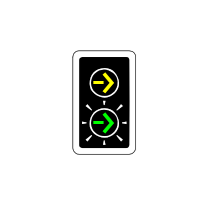
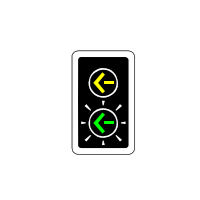
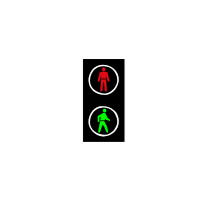
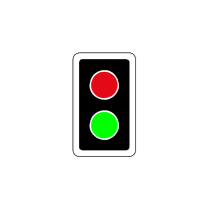
If you are a Tram operator, at this traffic light you will need to adhere to the following. If the light displays red, you need to stop. If the light flashes red, you need to come to a full stop and may proceed once safe to do so. At a railway crossing, a flashing red sign means that a train is coming and you may not proceed under any circumstances. If the light displays green, you may proceed in the direction you are traveling. If the light shows amber, you need to come to a stop, unless you cannot do this safely. If the light flashes amber, you may proceed carefully, but yield to pedestrians. At this traffic light you may only proceed in the direction of the arrow being displayed.
Overview The Traffic Signals (South Africa) – Traffic Lights are used to control and manage traffic flow at intersections, junctions, pedestrian crossings, and railway crossings. They regulate vehicles and road users moving in different directions to ensure safe, orderly, and efficient movement, especially in high-traffic areas. What the Signal Means Traffic lights use coloured and flashing signals to communicate instructions to all road users, including specialised operators such as tram drivers. Each signal indicates a specific action that must be followed to maintain safety on the road network. How It Works in Practice (Including Tram Operators) Red light: You must stop completely. Flashing red light: You must come to a full stop and may only proceed when it is safe to do so. Railway crossing flashing red: A train is approaching; you may not proceed under any circumstances. Green light: You may proceed in the direction you are traveling. Amber (yellow) light: You must stop unless stopping cannot be done safely. Flashing amber light: You may proceed carefully, but must yield to pedestrians. Directional arrow: You may only proceed in the direction indicated by the arrow displayed. Driver Responsibilities (Tram Operators) Tram operators must obey all traffic light signals at all times Full stops are required at red and flashing red signals Extreme caution must be taken at intersections shared with other road users Pedestrian safety must always be prioritised, especially at crossings Movement is only allowed when the signal clearly permits it Where You Will See This Signal This system is commonly found: At intersections and junctions At pedestrian crossings At railway level crossings In transport corridors where trams, vehicles, and pedestrians share space Purpose of the Signal The purpose of traffic lights is to regulate traffic coming from different directions, reduce congestion, and ensure safety for all road users, including tram operators, motorists, and pedestrians. They help maintain a structured and predictable flow of movement at controlled points. Common Mistakes to Avoid Failing to stop at red or flashing red signals Proceeding too early on amber lights Ignoring pedestrian right-of-way Misinterpreting directional arrow signals Safety Tips Tram operators should approach intersections slowly and cautiously Always anticipate pedestrian movement near crossings Never assume other road users will follow signals correctly Be especially alert at railway crossings and shared transport zones Penalties for Ignoring the Signal Ignoring traffic light instructions may result in serious consequences, including: Traffic fines or penalties Serious accidents involving multiple road users Legal consequences depending on severity Risk of injury to pedestrians and passengers Summary Traffic lights in South Africa are essential control systems that regulate movement using red, amber, green, flashing signals, and directional arrows. For tram operators and all other road users, they ensure safe, efficient, and organised traffic flow at intersections, crossings, and railway points.